The Adorable Truth Behind Tiny Hands and Big Emotions
If you’ve ever had a baby’s tiny hands suddenly reach out and grab your face, you know the feeling — a mix of surprise, warmth, and maybe a touch of pain (especially when those sharp little nails get involved!). As new parents, it’s one of the first things you experience in those early months: a baby’s unexpected, curious, and intense touch.
But why do babies grab your face?
Let’s explore the various reasons behind this endearing (and sometimes painful) habit, how it ties into baby’s development, and what it tells us about the emotional connection between you and your little one.
A Normal (and Sweet) Behavior
First of all, grabbing your face is completely normal behavior — especially among young babies and newborn babies. While it might seem random or even aggressive at times, it’s actually one of the developmental milestones tied to your baby’s growing awareness of the world and their sense of touch.
Babies learn by interacting physically with the environment. And what’s closer and more interesting to them than their parent’s face?
It All Starts With Baby’s Hands
Those chubby little fingers aren’t just cute — they’re tools for exploration. From the moment they’re born, newborn babies are curious about everything around them. Their baby’s hands are one of the primary ways they learn.
At first, their hand movements are mostly reflexive. One of the most well-known reflexes is the startle reflex, where they suddenly stretch their arms and legs in response to a loud noise or sudden movement. But soon, their motor skills begin to improve. By a few months of age, babies are learning how to grab things, move their arms purposefully, and engage in more controlled movements.
That’s when your face becomes their favorite playground.
Different Textures, Familiar Faces
Your face is a treasure trove of different textures — your hair, skin, beard (if you have one), and even the occasional glasses. It offers a multi-sensory experience for a baby who’s just beginning to understand the world.
Unlike toys or blankets, parents’ faces also react. Your facial expressions change, you blink, you laugh, you talk — and most importantly, you make eye contact.
For a baby, this is not only fun but deeply meaningful. It’s a form of communication.
An Emotional Connection
When babies grab your face, it’s often a sign of emotional connection. Your baby doesn’t just recognize you visually; they’re drawn to your voice, your smell, your expressions — and your face becomes their emotional anchor.
During moments of closeness, like feeding or cuddling, babies often reach out. For breastfeeding moms, it’s especially common to feel those little fingers exploring. While some may find it distracting or uncomfortable, it’s actually a sign of secure attachment and trust.
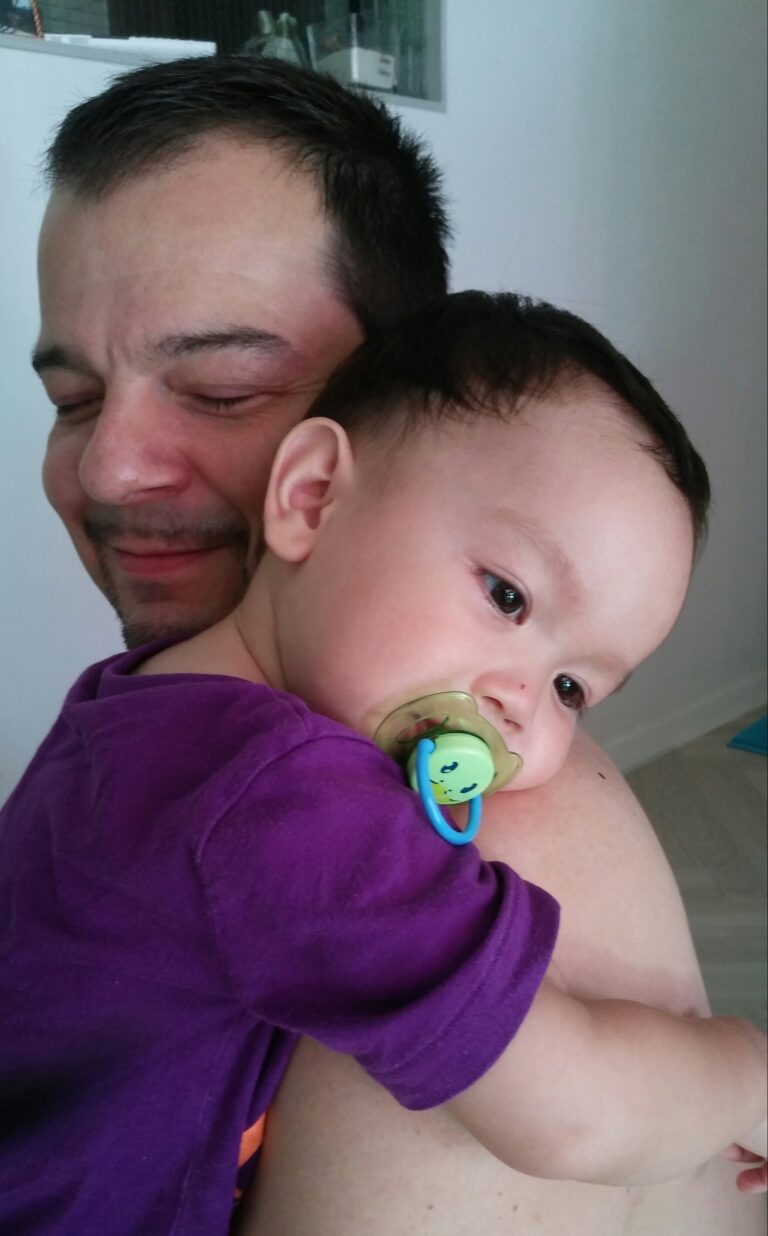
Touch is one of the earliest forms of communication. When a newborn baby touches your face, they’re not just playing — they’re bonding. It’s a shared moment of warmth, safety, and love.
A must Read!
Curiosity and Developmental Milestones
As babies grow, they begin hitting important developmental milestones — rolling over, sitting up, crawling, babbling. But even before they can say their first words, they’re learning how to express themselves physically.
Reaching for your face is part of that. It reflects:
- Improved motor control
- Heightened awareness of their surroundings
- Desire to interact with people
- Ability to recognize familiar faces
By grabbing your face, babies are practicing social skills, learning cause and effect, and exploring one of the most fascinating objects in their world: you.
Learning Through Repetition and Reinforcement
Babies are little scientists. They repeat actions to see what happens. If grabbing your face makes you smile, laugh, or talk to them in gentle words, they’re likely to do it again. That’s positive reinforcement at work.
Even if your baby is too young to understand language, they’re highly sensitive to tone, expressions, and reactions. Your smile, your surprised expression, your cooing — all of that encourages them to keep reaching out.
Over time, grabbing your face becomes a fun and comforting routine.

Best Way to Redirect (If Needed)
Of course, sometimes the grabbing can get a little too intense — especially when tiny hands meet sharp little nails! If your baby is unintentionally scratching you, here are some effective ways to redirect the behavior:
- Offer a small toy or teether: Something safe they can grab instead.
- Model gentle touches: Take their hand and gently stroke your face, showing what “gentle” feels like.
- Use soft words: Say things like “gentle touches” or “soft hands” — even if they don’t understand yet, the tone matters.
- Trim nails regularly: Keep those nails short and smooth to avoid accidental scratches.
- Give them face time at safe distances: Let them explore your face while holding their hands and guiding their movements.
This helps preserve the bonding experience while teaching them how to engage safely.
Do You Need One?
Why It Can Feel So Intense
Sometimes, babies grab your face with surprising strength. It’s not personal — their grip can feel stronger because they’re still learning how to control force. Combine that with normal behavior like sudden movements or being startled, and it might seem more aggressive than it really is.
In some cases, babies grab faces when they’re overstimulated or reacting to a loud noise or shift in their emotional state. You might notice it happening when they’re tired, frustrated, or excited. It’s their way of grounding themselves — connecting physically to someone safe.
Different Babies, Different Reasons
There are different reasons why babies might suddenly grab parent’s faces — and those reasons can change depending on their age and emotional development and needs. Let’s break it down by stage:
Newborn Babies (0–3 Months old)
- Movements are mostly reflexive.
- Face grabbing is rare but may happen during feeding or cuddling.
- Focus is on establishing emotional connection and recognizing the parent’s face. And basically one of the very cute baby milestones.
Young Babies (4–7 Months)
- Babies start to intentionally grab things.
- They explore different textures, including skin and hair.
- Beginning to reach and interact with your facial expressions, facial features and eye contact.
- Gross motor skills improve
Older Babies (8–12 Months)
- Improved hand-eye coordination and strength.
- Curious about reactions — both theirs and yours.
- Using touch to communicate affection, excitement, attention-seeking, and social interactions
A Bonding Experience That Evolves
What starts as a curious gesture quickly becomes part of your relationship. These early moments — your baby’s hands on your cheeks, the sparkle in their eyes as they see your reaction — are more than just cute. They’re foundational.
Grabbing your face is often one of the first things a baby learns to do to get attention, express themselves, and build connection.
Final Thoughts: A Loving Tug (Literally)
So, why do babies grab your face with a loving little hand movement?
Because they’re learning. Because they love you. Because they’re trying to say something before they have words.
Whether you’re a new parent or you’ve been through this with multiple kids, it’s a reminder that your face is more than just familiar — it’s home. It’s the place they feel safe, loved, and connected.
And while the tiny hands might leave a few scratches, they’re also leaving memories you’ll treasure forever.
Remember: If the grabbing ever becomes too much, don’t worry. With time, guidance, and love, babies learn to channel that energy into hugs, kisses, and cuddles instead.
In the meantime, keep some baby-safe lotion handy, file those sharp little nails, and enjoy the beautiful chaos of being your baby’s favorite face.
As your baby grows, these small, instinctive gestures evolve into more intentional forms of affection — a gentle pat, a tight hug, or even a sloppy kiss.
So the next time those tiny fingers reach for your cheeks, take a deep breath and soak in the moment. It may be fleeting, but it’s a powerful reminder of how much your presence matters. These early interactions shape your child’s emotional world in ways you can’t always see and is part of a healthy development. What feels like simple face-grabbing is actually the beginning of a lifelong bond — one touch, one connection, and one heartbeat at a time. They are only young once…enjoy it…