If you’re pregnant (or suspect you might be) and suddenly your toddler is extra clingy, emotional, or acting out of the blue, you’re not alone in wondering: can your toddler sense when you are pregnant?
This question has become a topic of fascination for both new parents and seasoned moms alike. While some swear by the “sixth sense” of young children, others chalk it up to coincidence or behavioral changes caused by shifting routines. So what’s really going on?
Let’s unpack the science, the parenting stories, and the subtle signs that might suggest your toddler knows a new sibling is on the way—before you’ve even taken a pregnancy test.
A Common Curiosity Among New Parents
Whether it’s your first pregnancy or your fourth, it’s a good idea to pay attention to how your toddler behaves in the early weeks. Many parents report that their older children, especially older toddlers, start showing signs of clingy behavior, mood swings, or even emotional outbursts when a pregnancy is still in its early stages.
Some even claim their old daughter or baby boy somehow “just knew” about the pregnancy before anyone else did.
Is There Scientific Evidence?
While plenty of anecdotes exist, the research is still limited. There aren’t many scientific studies that directly explore whether toddlers can detect pregnancy. But here’s what we do know:
- Toddlers are sensitive to routines and emotional shifts.
Children, especially young children, thrive on predictability. If a pregnant mother starts experiencing early pregnancy symptoms like nausea, fatigue, or mood swings, her child might pick up on those changes—long before anyone mentions baby news. - Changes in hormones may alter your scent.
One popular theory is that dogs can detect pregnancy due to changes in body odor caused by hormone levels. It’s not a stretch to think that young children, who are often incredibly tuned in to their caregiver’s presence, might detect these same subtle cues. - Increased stress levels affect the whole household.
Whether it’s morning sickness, first trimester fatigue, or anxiety over the pregnancy test result, stress can impact how we interact with our children. Toddlers may respond with their own behavioral changes, sometimes showing separation anxiety or seeking extra cuddles.
Behavior Changes: Coincidence or Intuition?
It’s tempting to label all toddler mood swings as just… well, toddler stuff. But many parents notice significant or even subtle changes in their child’s behavior around the time a pregnancy begins:
- More tantrums
- Night waking
- Needing more one-on-one time
- Clinging to Mom more than usual
- Sudden fear of being left out
While these behaviors might also appear during big changes like moving house or starting preschool, they’re often interpreted by parents as a form of emotional sensitivity—especially when they align with a new pregnancy.
The Role of Birth Order: Big Sister, Big Brother, or First Child
Your toddler’s reaction to a new baby may also depend on whether they’re about to become an older sibling for the first time or have been through this before.
- First child: For the only child, sensing that they will lose their “baby of the house” status can trigger anxiety. They may not understand what’s happening, but they feel the shift.
- Big brother or big sister: If they’ve already welcomed a younger sibling, they may associate Mommy’s tiredness or belly changes with what came before—more diapers, shared attention, and special time being cut short.
- Older children: Kids who are past the toddler phase might even verbalize what’s going on. “Is there a baby in your belly?” is something many parents report hearing last week—before the official baby news was shared.
Is It Just an Old Wives Tale?
The belief that toddlers have a “sixth sense” about pregnancy falls into that curious space between folklore and psychology. Just like the old wives tale that carrying low means you’re having a baby boy or craving sweets means it’s a girl, people love to make meaning out of mysterious moments.
But unlike those fun gender myths, the idea that toddlers pick up on changes in their parents is rooted in how attuned they are to their caregivers’ emotional states.
Even if it’s not scientifically proven that toddlers can “know” a pregnancy is happening, there’s plenty of evidence to support that they feel when things are different.
How to Support Your Toddler During This Transition
Whether you’ve just found out you’re pregnant or are entering your third trimester, preparing your toddler for a new sibling is one of the biggest parenting challenges—and opportunities—for connection.
Here’s how to help:
1. Talk About It in Simple Terms
Once you’re ready to share the news, use language they can understand. You don’t have to get into details about baby’s sex or due dates. Just saying, “Mommy has a baby growing in her belly” is often enough.
2. Validate Their Feelings
Expect mixed emotions. Some kids will be excited about becoming a big sibling, while others might express fear, jealousy, or confusion. Let them know those feelings are okay.
3. Create Special Moments Together
Make time for one-on-one time and special time with your toddler. These dedicated moments reassure them that they’re still important, even as family members prepare for change.
4. Get Them Involved
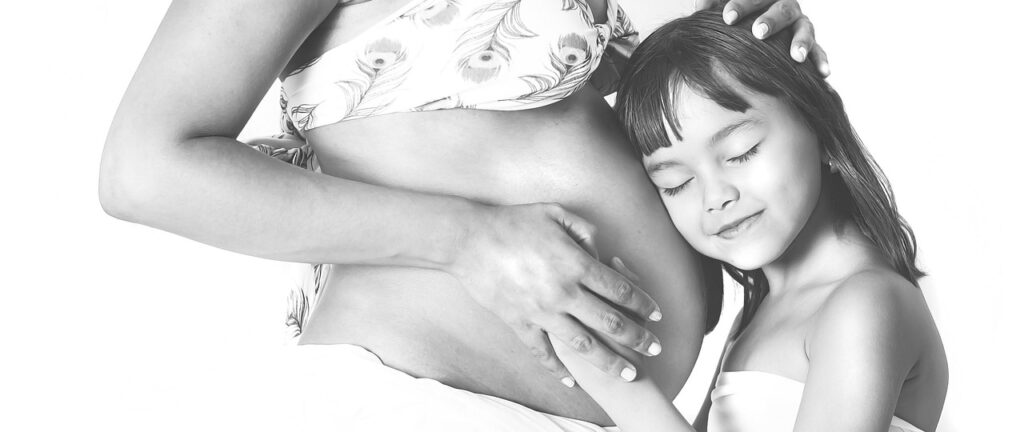
Let your child help pick out a toy for the baby, listen to the baby’s heartbeat, or talk to your belly. This helps them feel connected to their baby brother, baby boy, or little brother (or sister!).
5. Maintain Predictability Where Possible
Toddlers love routine. Try to keep bedtime, meals, and play consistent. This gives them a sense of control during what feels like a long time of waiting and wondering.
When to Worry: Red Flags That May Need Attention
While most behavior changes are temporary and manageable, there are some signs that your toddler may be having a harder time adjusting than expected:
- Ongoing aggression
- Regression that lasts for weeks (like toilet training setbacks)
- Nightmares or sleep refusal
- Withdrawing from you or others
If you’re concerned, talk to your pediatrician or a child development specialist. They can help rule out deeper issues and provide strategies for helping your toddler cope.

Every Family Is Different
Pregnancy is a deeply personal journey—and so is the way your toddler will react. Some children are excited from the get-go. Others may need time, reassurance, and extra cuddles along the way.
Whether you’re navigating your first pregnancy or expecting a new sibling for the third time, the emotional terrain can feel overwhelming. Just remember: You don’t have to get it perfect. You just need to stay connected and curious about how your toddler is feeling.
After all, they may not have the words yet—but they definitely have the heart.
How Toddlers Sense What Words Can’t Express
While toddlers may not be able to articulate their feelings clearly, their behaviors often speak volumes. A toddler sensing a baby’s development isn’t likely to say, “Mom, are you in your first trimester?”—but they might suddenly want to sleep in your bed again or refuse to play alone.
This intuitive reaction isn’t magic. It’s their way of saying, “Something is different, and I don’t know how to feel about it.”
Children are incredibly sensitive to emotional energy. If pregnant mothers are distracted, physically unwell, or less energetic than usual, toddlers will pick up on those changes—even before we do.
In a way, it’s less about predicting the future and more about being finely tuned into the present.
Are Toddlers Jealous or Just Confused?
The concept of sharing is already a major challenge for toddlers. Now imagine asking them to share you—their anchor, comfort zone, and emotional guide—with a mysterious new sibling they can’t see yet.
Even before the baby arrives, the idea of a baby brother or little brother can stir up feelings of confusion or competition. This isn’t always about jealousy. Sometimes it’s about needing to be reassured that they still matter.
And since toddlers don’t always know how to express their needs, these feelings can come out in surprising ways:
- Refusing to eat favorite foods
- Getting easily frustrated or angry
- Wanting to be “the baby” again
- Clinging to old routines or habits
This kind of behavioral change might look like regression, but in many cases, it’s a survival strategy for handling big changes they don’t fully understand.
What If the Reaction Is Negative?
Not every toddler is going to be thrilled about a new arrival. In fact, many children experience feelings of anxiety, frustration, or even anger when they sense that something is changing.
That’s okay.
Sometimes, helping them cope isn’t about avoiding negative reactions—it’s about making space for them.
Here are a few gentle strategies:
- Use play to express emotions. Give them dolls or toys to “play family” and act out what’s happening.
- Let them ask uncomfortable questions. “Will you still love me when the baby comes?” is a painful question to hear—but a powerful opportunity to affirm their importance.
- Help them name their feelings. Use books or visuals to explain concepts like jealousy, excitement, or fear. You can even make up a story about a big brother who learns he’s still loved.
Creating a supportive space to talk, cry, laugh, and cuddle helps your toddler feel secure—even when their world is shifting.
A Must Read!
Pregnancy and Parenting as a Long Game
Parenting isn’t a sprint—it’s a marathon. And introducing a new child into the family is one of those moments that challenges your endurance, patience, and emotional resilience.
Some days you’ll feel like a superhero. Other days, you’ll feel completely maxed out, trying to juggle toddler meltdowns, pregnancy fatigue, and household tasks all at once.
During those long times, remember:
- It’s okay if your toddler struggles
- It’s okay if you struggle
- It’s okay to ask for help
Rely on family members, friends, or a support system to step in when you need a break. This journey wasn’t meant to be walked alone.
Extra Tips for Managing the Transition
Let’s finish with some practical ways to keep your home grounded during pregnancy and beyond:
✅ 1. Use a Visual Countdown
Toddlers don’t understand months or trimesters. But you can use a sticker chart, calendar, or visual timeline to show the passing of time. This helps build excitement and understanding.
✅ 2. Talk About What Will Stay the Same
In a time of significant changes, reminding your child about what won’t change is key. “We’ll still have storytime every night,” or “You’ll always be my cuddle buddy.”
✅ 3. Don’t Oversell the Baby
Avoid phrases like “The baby is going to be your best friend!” It sets unrealistic expectations. Focus instead on what they can expect: “Babies sleep a lot at first,” or “They cry to talk.”
✅ 4. Let Them Express Frustration
If your child says, “I don’t want a baby,” don’t panic. Validate the feeling instead: “It’s hard when things change. I’m here for you.” This invites conversation rather than shame.
✅ 5. Reflect on the Journey Together
Once the baby arrives, look back at photos or talk about the months leading up to the birth. This helps your toddler process the experience and see how far they’ve come.
Wrapping It Up: A Family Shift Worth Celebrating
So, can toddlers truly sense when someone is pregnant? Maybe not in a supernatural sense—but emotionally, behaviorally, and intuitively? Absolutely.
From clingy behavior and sleep disruptions to bursts of love and interest in your belly, your toddler’s actions may be their way of navigating the unfamiliar path toward becoming a big sibling.
The process might feel chaotic at times. But in the end, this shift can be a good time for growth—for everyone in the family.
With a little empathy, structure, and extra cuddles, your toddler won’t just survive this change. They’ll thrive in it.