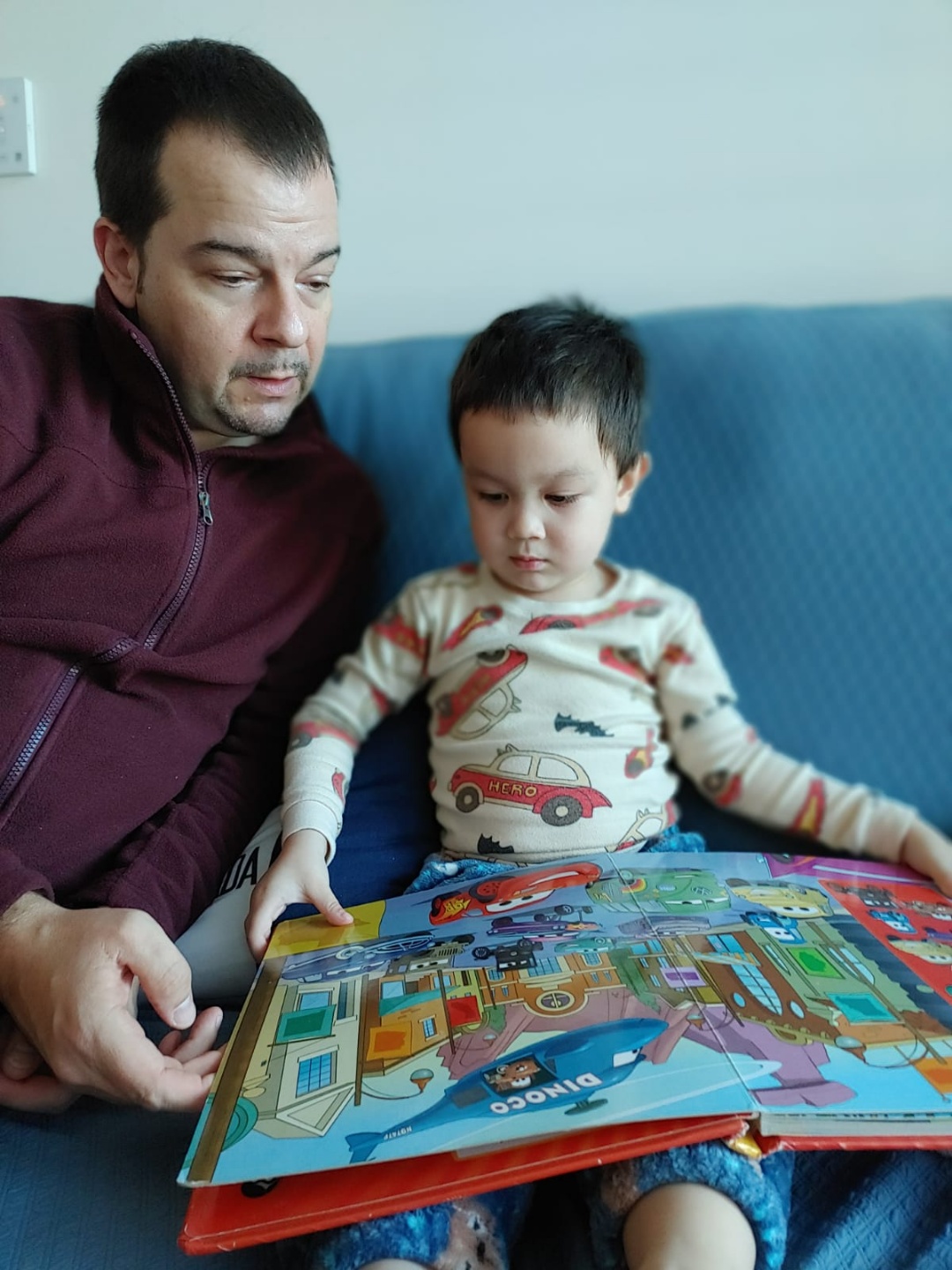
Let the Dad Difference Begin with You, Today
Here’s something important for us dads to remember: The grand gestures, the fancy gifts — those aren’t what it means to be a great father. It’s about showing up every time with habits of good dads that make your children trust you, feel secure and loved. Every single day, you have chances to make kids feel like they’re the most important people in your world — because they are.
The fact of the matter is that our children are constantly watching us. They see when we set aside our phones to listen and also recall the jokes we make over breakfast. They remember our hugs into adulthood.
Studies demonstrate that involved fathers have a substantial influence on the emotional health, academic achievement and even future relationships of their children. But you don’t need a PhD to know this — all you need to do is be present and mindful.
In this post, we are getting into practical dad habits that turn regular days into memories that your kids will cherish for a lifetime. These are not complex strategies that call for an instruction manual.
They are simple, genuine steps that any father can begin taking today. Whether you’re a new dad or have teenagers in your home, these habits will deepen your bond and help give your children the feeling of being deeply loved and supported.
So you want to take your dad game to the next level? Let’s go.
Morning Minutes That Set the Tone
Wake Them Up With Warmth
No calling from the hallway, no sending a sibling. One of the strongest dad habits is being there when your kid starts their day. Go into their bedroom, sit on the edge of their bed and gently wake them up with a smile and a kind word.
Maybe it’s “Good morning, sunshine” or “Hey buddy, ready to take on the day?” This act says to your child, you are worth it for me to be the first one they see. It puts them in a positive attitude for the rest of their day at school or daycare.
Some fathers have special ways to wake their kids, like a secret handshake, an amusing song or a gentle back rub. Whatever feels right to you, keep it. Children do very well on predictability — and these little morning moments provide a kind of tether of security.
Breakfast Connection Time
You certainly don’t have to make a five-star meal. Even if there’s nothing “special” about breakfast — you’re just eating cereal and toast — sit down. Leave your phone to charge in another room. Inquire about their dreams from the previous night, or what they are anticipating during the day.
The good dad habit that makes space for judgment-free conversation. Your teen might even let you know about the test that’s coming up and really freaking them out.
Your 7-year-old, for instance, might say that someone was mean to them yesterday. These exchanges at breakfast lay down communication patterns that endure for life.
Layer it on: Every morning, ask one interesting question. “If you could have one superpower right now, what would it be?” or “What’s something you want to learn this week?” These questions stir the imagination and demonstrate you are really interested in their inner world.
Presence Over Perfection
The Phone-Down Policy
Here’s a tough reality: Your kids can feel when you are physically with them but mentally elsewhere. Not being addicted to distraction — one of the most important tips for fathers in today’s world is to learn the secret of undistracted attention. When you are with your kids, be WITH them.
Establish phone-free zones or times in your home. Dinner time, homework assistance and bedtime routines — these ought to be sacred spaces that notifications don’t violate. Your kid has to know that they are more valuable than any piece of correspondence, email or social media scroll.
I know work is demanding. I know you’re tired. But your children will not remember how many emails you answered. They’ll remember when you showed up and focused during their basketball game or when you listened — really listened — when they told you about their day.
Daily One-on-One Time
Even just 15 minutes of dedicated, one-on-one time with each child goes a long way. This is one of the most productive dad habits because it says to each kid, “You’re important. You’re not just a member of the pack.”
This doesn’t require elaborate planning. It could be:
- A walk around the block after dinner
- Reading together before bed
- Assembling a puzzle together
- Shooting hoops in the driveway
- Hanging out in their room while they show you something they made
Just go along with them. Let them choose the activity. Ask questions about their interests. It makes them feel important and their likes and passions matter to you.
Communication That Connects
Listen More Than You Lecture
Good dads know when to speak and know when to hear. Whether they have colored on the walls or lost the winning run of a tee-ball game yet again, when your child comes to you with a problem or setback, fight the instinct to fix it on command or launch into advice-giving mode. Sometimes they just need to be heard.
Try these listening techniques:
- Nod and make eye contact to convey that you are engaged
- Repeat back what you heard: “So, you’re saying…”
- Add validation: “That must be really frustrating.”
- If you’re about to launch into problem-solving mode, the first question should be, “Do you want help figuring this out or did you just need to vent?”
It’s an instruction in emotional intelligence and a trust-builder. Your kids learn that their feelings are OK and that you’re a safe person to talk to about any problem.

Use Affirming Words Daily
Your words have incredible power. Build a habit in dad to speak life and encouragement into your children every day. This is not just generic “good job” compliments.
Be specific with your praise:
- “I saw how patient you were with your little sister. That was really kind.”
- “You persevered even when that math question was challenging. I’m proud of your persistence.”
- “You’re so creative in that drawing. Tell me about it.”
Also, regularly express unconditional love. “I love you” that isn’t conditional on behavior or accomplishment. Your child needs to know your love doesn’t depend on their performance.
Playfulness and Laughter
Be Silly Together
Don’t laugh off the goofiness. Some of the best advice on fatherhood, after all, has to do with not taking yourself too seriously. Dance badly in the kitchen. Make up ridiculous songs. Tell a bad dad joke (yes, those are included).
Laughter produces bonding chemicals in the brain. When you play and joke with your kids, you’re creating positive associations with family time. You’re also showing them that life doesn’t always have to be so serious.
Establish inside jokes that only your family can share. Do funny voices. Have a living room dance party. Such joyful moments make for some of the best moments of childhood.
Physical Play and Affection
Fathers come with their own style of physical play that is so important for the development of kids. Play-fighting (safely), tickle fights, piggyback rides or just wrestling around on the floor can be part of a healthy connection with children (and provide the physical activity that they need).
But just as vital is gentle physical touch. Hugs, high-fives, fist bumps, an arm around the shoulder — they convey safety and love. Continue showing physical affection to your kids even as they grow up. Teenagers need hugs too, no matter how much they don’t want them.
Research has found having a father who gives ongoing, appropriate physical affection promotes higher self-esteem and emotional regularity in children. It should be the habit of good dads to mix active play with gentle touch on a daily basis.
Teaching Through Action
Be the Value You Want to See
Your kids are watching how you treat their mother or your partner. They pay attention to how you deal with frustration. They watch to see if you follow through. The best fathering advice reminds you that your actions teach more than your words.
Want your kids to be honest? Be honest even when it’s difficult. Want them to be kind? Let them watch you be nice to strangers, waiters, and customer service people. Want them to have integrity? Show them how it’s done, what it looks like to do the right thing when no one is looking.
Does that mean you have to be perfect? No. In fact, how to say sorry and make it right when you mess up is one of the most worthwhile lessons you can teach.
Include Them in Your World
Allow your kids to see you in action, and to know who you are beyond just “Dad.” Bring them to the office once in a while. Describe what you do in a way that makes sense to them. Get them involved in your hobbies (or include them if you both enjoy it).
Working on the car? Let them hand you tools. Doing yard work? Give them age-appropriate tasks. Cooking dinner? Show them how to crack an egg or measure out ingredients. These joint activities build competency and reinforce partnership.
This practice teaches your children that they are productive family members, not just beneficiaries of your care.
Bedtime Routines That Build Security
Consistent Evening Rituals
Keeping a bedtime routine — one of dad’s most powerful habits to make kids feel supported is sticking to consistent bedtime routines.
Kids go to bed nice and safely. This predictability has a calming effect that not only reinforces positive bedtime habits, but also enables children to fall asleep faster.
Your routine might include:
- Bath time
- Brushing teeth side by side (or make it fun with a funny song)
- Putting on pajamas
- Reading a story
- Discussing the highlight of the day
- Prayers or gratitude sharing
- A hug and kiss in a close embrace
The particular activities are probably less important than the consistency. Children feel secure when they know what to expect. When Dad is included in that routine, they feel loved.
The Bedtime Conversation
This is peak time for significant connection. When the day ends, kids frequently reveal what’s actually been on their minds. Make space for this by sitting on their bed and just being there.
Pose soft questions: “What made you happy today?” “Did you have any worries?” “What are you excited about for tomorrow?” Listen without judgment. This routine of good dads will foster such a great pattern of open communication that becomes invaluable when those teen years come.
Always end positively. Tell them something they did well that day. Express your love clearly. Let the last thing they hear before bed be words of love and comfort.
Daily Dad Habits Tracking Chart
| Activity | How Long It Takes | Impact on Child | Difficulty Level |
| Say good morning | 5 minutes | High emotional security | Easy |
| No-device dinner | 30 minutes | Better communication | Medium |
| One-on-one time | 15 minutes | Strong individual bond | Easy |
| Listening | Varies | Deep trust building | Medium |
| Physical affection | 2 minutes | High self-esteem | Easy |
| Bedtime routine | 20 minutes | Better sleep, high security | Easy |
| Playful engagement | 10 minutes | Happy family memories | Easy |
The Weekend Warrior Dad
Saturday Morning Adventures
Make weekend mornings special. Even mundane things make the best memories when they’re done repeatedly. A pancake breakfast at the diner. A visit to the hardware store, where they are allowed to pick a small tool. The park for a little playground fun.
These dad habits needn’t cost money or take all day. The magic lies in the tradition and the undivided attention. The rest of your kids’ lives will be filled with “Saturday mornings with Dad” memories.
Teaching New Skills
There is extra time to do hands-on learning on weekends. Select age-appropriate skills to impart: how to ride a bike, throw a ball, build something or cook a special recipe. The activity is secondary to the time you spend together and the confidence your child gains.
Celebrate small victories. Take progress photos. Turn learning into fun, not a struggle. With that patience, realized during these teachable moments, you show your kids that mistakes are part of the growth process, not something to be feared.
The Long Game: Habits That Pay Off
Being There for the Big Ones
Good fatherhood advice — this is right near the top: Show up for your kids when it counts. Recitals, games, award ceremonies, school plays — they may not be much to you but they’re everything to your child.
Because when you show up, what you are really saying is: “You matter. What matters to you matters to me.” When you miss such occasions, and life sometimes causes us to miss them, own it and explain why. Don’t dismiss their disappointment.
Calendar everything. Set reminders. Make their events as non-negotiable as important work meetings. Because let’s be real: these ARE the most important meetings of your life.
Building Traditions
Good dads get into the habit of establishing family traditions that provide kids with something to anticipate and reminisce about. These rituals are the foundation of family culture.
Ideas for traditions:
- Annual father-child camping trip
- Special birthday breakfast in bed
- Holiday cookie baking day
- Summer trip to the same lake
- Monthly “Dad’s choice” movie night
- First-day-of-school photo tradition
Traditions create continuity and belonging. They say to your kids, “We’re a team. We have our special things that nobody else has.”

When Life Gets Tough
Being Present Through Struggles
Some of the most powerful dad habits are about being there in hard times. Your child will need you when things don’t go their way, when they fail at something — at a game, a test or in a friendship.
Do not attempt to fix everything, or minimize their pain. Sit with them in it. Offer your strength and stability. Tell age-appropriate stories of your struggles and how you triumphed over them.
This is how resilience is taught and that you are a safe refuge in life’s struggles. Your kids learn that these emotions are natural, and that they don’t have to navigate them alone.
Apologizing When You Mess Up
Perfect dads don’t exist. But dads who are able to recognize mistakes and say they’re sorry? Those are the good ones. When you act out in anger, fail to keep a promise or mishandle something, own it.
Say, “I’m sorry I yelled. That wasn’t okay. You deserved better.” Then tell how you’ll do better next time. This is a tough dad habit that can impart immense lessons in accountability and humility. It also teaches your kids that relationships can be healed and that love is not about perfection.
For more guidance on positive parenting strategies and father involvement, visit the National Fatherhood Initiative.
FAQ Section
How can I be a great dad when I’m working long hours?
Quality trumps quantity. Concentrate on being fully present during the time you do have. Establish non-negotiable morning or bedtime routines. Even 15-20 minutes of focused attention per day, free from distractions, makes a significant difference.
Spend one-on-one time with each child on weekends. And small moments of connection throughout the week — leaving little notes to each other, a midday text or a quick call every now and then — can keep the bond alive.
What if my child is withdrawn or doesn’t appear to want to spend time with me?
Start small and be patient. Don’t pressure big conversations or activities. Just concentrate on being there. Sit in the same room as they do their thing. Ask about what they’re interested in and try not to be judgmental.
Consistently show up without the expectation of immediate results. Sometimes distance is developmental (especially with teens), but an even-handed, patient presence does eventually break through. Look for shared interests.
Do those habits change when a child is a son or daughter?
The core habits are universal – presence, tenderness, listening and consistency matter across the board. But you may choose to express them within the context of your child’s specific personality and interests.
Boys, as well as girls, need physical warmth, emotional nurturing and your undivided attention. Do not assume gendered differences in what boys or girls need. Focus on who your individual child is and what helps them feel loved.
How do I reconcile discipline and making my kids feel loved?
Loving your kids is not in opposition to having boundaries; they go hand-in-hand. Consistent, fair discipline actually helps children to feel safe. The trick is to distinguish behavior from identity.
Correct the behavior, not your child. Say “That choice wasn’t okay,” not “You’re bad.” Always reconnect after discipline. Discuss why rules are in place (safety, respect, responsibility) and enforce them with love, not anger. Children feel most loved when they have structure and know what to expect.
What if I personally didn’t have a good dad when I was coming up — how do I know what to do?
You’re already ahead by asking this question. Awareness is the first step. Find some positive male role models to watch. Read books about parenting that are aimed at fathers. Join dad groups for support and ideas.
Don’t forget that your difficult childhood gives you unparalleled empathy for what kids need. You know what hurt, so you can choose something else. Some of the best dads are dads who break the cycle. You’re writing a new story.
How do I keep to these habits when I’m under a lot of stress, or at a rough point in my life?
Be upfront with your kids (age-appropriately) about what it is you are dealing with. “Dad is just very stressed at work but that is not your fault and I love to be with you.” Temporarily lower your standards — maybe bedtime routine takes less time, but you still do it.
Seek support from your partner or another person you trust. It’s important to remember that consistency is much more important than perfection. On hard days too, a hug, an “I love you” and a few minutes of attention make a difference.
Summary: The Dad Your Kids Need You to Be
Being a dad doesn’t get more important than this. It’s also the most rewarding, challenging, frustrating and wonderful role one can imagine. The habits of good dads that we’ve examined so far are not complex, but they do require intention and repetition.
Your children don’t need a superhero. They need you to be there — present, attentive and loving. You need to be available, showing up in their lives and listening and playing with them and guiding and supporting them every step of the way. These dad habits will set the stage for a lifetime of love and security your kids will ultimately stand on.
Start small. Select two or three habits from this article and vow to practice them this week. It could be not looking at your phone during dinner and listening hard. Maybe it’s making a unique bedtime ritual. Perhaps it’s ensuring you say, “I love you,” every day.
And the more you practice these fatherhood tips and parenting tips for dads, something amazing happens: your relationship with your kids grows deeper. They open up more and seek you out. They trust you with their hearts.
And years from now, when they’re grown adults, they’ll be able to look back and remember that Dad was there. Dad made time. Dad made them feel that they mattered to him.
Because you did. And they do.
Now go, be the father your children deserve. They are waiting for you, and you will not have a minute to spare. You’ve got this.