
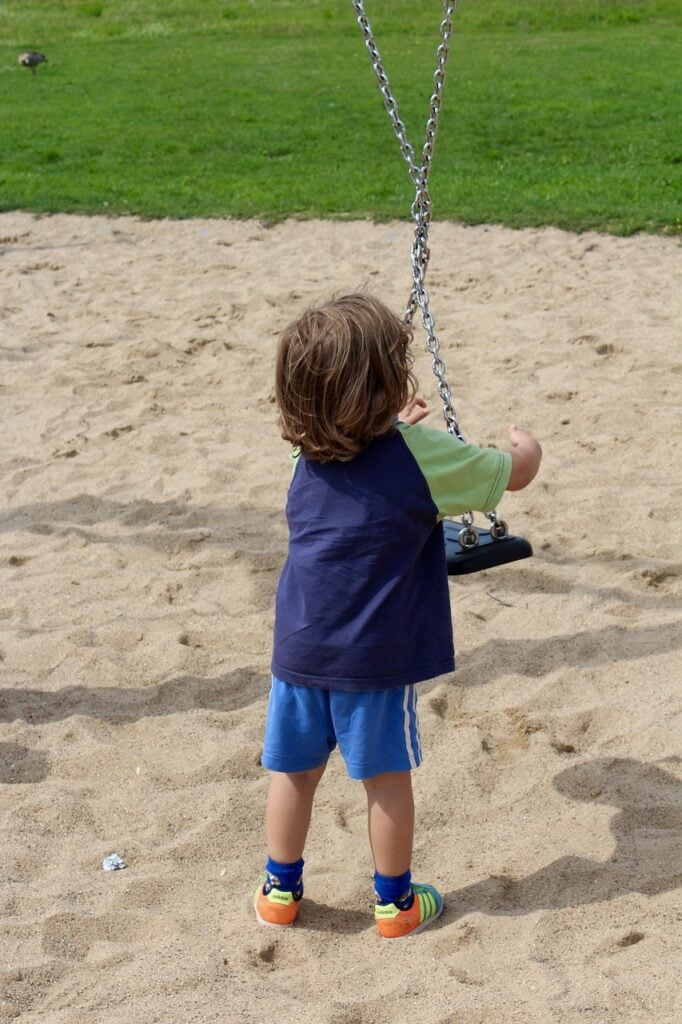
How to Get a Toddler to Leave the Playground Fast
Few parenting moments are as predictable as this one.
You say, “Okay, it’s time to go home.”
Suddenly your toddler becomes the fastest runner in the park. They sprint back to the slide, climb the jungle gym again, or pretend they didn’t hear you.
If you’ve ever struggled to get your toddler to leave the playground, you’re definitely not alone. Playgrounds are exciting places filled with swings, slides, friends, and games. To a toddler, leaving feels like the end of the best part of the day.
As a dad raising my son here in Korea, I’ve spent countless afternoons in our neighborhood parks. Some days we’re shooting basketball at the small courts. Other days the kids organize their own chaotic dodgeball games. And sometimes they’re simply running around the playground laughing with friends.
Over time, I’ve learned that leaving the playground doesn’t have to end in tears.
With the right approach, you can make the transition easier for both you and your child.
Here are 10 practical tips that help toddlers leave the playground without a meltdown.
Why Toddlers Hate Leaving the Playground
Before jumping into the tips, it helps to understand why this moment is so hard for kids.
Toddlers struggle with transitions. Their brains are still learning how to switch from one activity to another.
When they’re at the playground, they are:
- fully engaged in play
- excited by their surroundings
- socializing with other kids
- burning energy
Suddenly stopping all that can feel overwhelming.
That’s why parents often see:
- tantrums
- ignoring instructions
- running away
- dramatic “I’m not leaving!” protests
The key is helping toddlers transition gradually instead of abruptly ending playtime.
10 Tips to Get a Toddler to Leave the Playground

1. Give a Five-Minute Warning
One of the best ways to avoid a meltdown is giving your child time to prepare.
Instead of saying:
“Okay, let’s go!”
Try giving a five-minute warning.
Examples:
- “Five more minutes, then we go home.”
- “Two more turns on the slide.”
- “Three more basketball shots.”
At our neighborhood park, I’ll often tell my son:
“Two more shots at the basketball hoop and then we head home.”
That small warning helps toddlers mentally prepare for the transition.
2. Turn Leaving Into a Game
Toddlers respond incredibly well to play.
Instead of framing leaving as something negative, turn it into another activity.
You could say:
- “Let’s race to the park gate!”
- “Hop like frogs all the way to the exit.”
- “Let’s see who can reach the bench first.”
When my son was younger, we’d race to the entrance of the park. Suddenly leaving the playground became part of the fun instead of the end of it.

3. Offer One Last Special Activity
Another great trick is the “one last thing” rule.
Let your child choose one final activity before leaving.
For example:
- one last slide
- one last swing
- one final basketball shot
My son loves this one.
If we’re playing basketball, I’ll say:
“Okay, last shot. If you make it, we celebrate and go home.”
He takes the shot like it’s the final moment of a championship game.
Win or lose, he’s ready to go.
4. Give Your Toddler a Responsibility
Kids love having a role.
Giving your toddler a small job can make leaving feel like an important mission.
Try things like:
- “Can you carry the ball home?”
- “You’re in charge of checking the playground.”
- “Help me make sure we didn’t forget anything.”
When my son played dodgeball with the neighborhood kids, I’d ask him to carry the ball home.
That small responsibility helped him shift his focus from playing to helping.

5. Create a Playground Routine
Children thrive on predictable routines.
If you follow the same pattern every time you visit the playground, toddlers start expecting what comes next.
Our usual park routine looks like this:
- Play at the playground
- Run around with friends
- Shoot a few basketballs
- One last activity
- Walk home
Because we repeat it often, my son knows that after the last activity we go home.
That consistency makes the transition easier.
6. Let Your Child Say Goodbye to Friends
Sometimes the hardest part of leaving the playground isn’t the slide or swing.
It’s the other kids.
If your toddler is playing with friends, suddenly pulling them away can feel upsetting.
Instead, help them close the moment.
You can say:
- “Let’s tell your friends goodbye.”
- “See you tomorrow!”
- “Time to say bye to everyone.”
When the neighborhood kids are playing dodgeball together, we always take a moment to say goodbye before heading home.
It gives kids a sense of closure.
7. Offer Something Fun at Home
Another powerful strategy is giving your child something to look forward to.
For example:
- a snack at home
- reading a bedtime story
- helping cook dinner
Sometimes I’ll say:
“Let’s go home. We have strawberries waiting.”
Or:
“We can play basketball again tomorrow.”
This shifts the focus from what they’re losing to what comes next.
8. Stay Calm During a Tantrum
Even when you do everything right, toddlers sometimes melt down.
And that’s normal.
When it happens:
Stay calm.
Avoid:
- yelling
- threatening
- arguing
Instead acknowledge their feelings.
You might say:
“I know you’re having fun and want to stay longer.”
Then calmly guide them toward the exit.
Over time, toddlers learn that leaving the playground is part of the routine.
9. Leave Before Your Toddler Is Exhausted
Timing matters more than many parents realize.
If your toddler becomes:
- overly tired
- hungry
- overstimulated
Transitions become much harder.
Try leaving while your child still has energy and is in a good mood.
For example, after one last round of dodgeball or a few final basketball shots.
Ending on a positive note can prevent a meltdown.
10. Remind Them the Playground Will Still Be There
Sometimes toddlers feel like leaving means the fun is over forever.
That’s where the phrase “next time” can help.
You might say:
- “We’ll come back tomorrow.”
- “Next time we’ll stay longer.”
- “We can play again after dinner.”
Kids relax when they realize the playground isn’t disappearing.
It’s simply pause until the next visit.
Final Thoughts
Getting a toddler to leave the playground can feel like a daily parenting challenge.
But with the right strategies, it doesn’t have to become a battle.
Giving warnings, creating routines, and turning transitions into games can make a huge difference.
As a dad who spends plenty of afternoons at our neighborhood parks here in Korea, I’ve seen how these small tricks make leaving easier.
Some days my son is shooting basketball shots.
Other days he’s running around in chaotic dodgeball games with friends.
And sometimes he’s just climbing and sliding with other kids.
No matter the activity, the goal is simple:
Help kids transition from playground fun to home time without tears.
Because tomorrow the park will still be there.
And the swings, slides, and neighborhood games will be waiting.
FAQ: Toddlers and Leaving the Playground
Why does my toddler cry when leaving the playground?
Toddlers struggle with transitions. When they are deeply engaged in play, stopping suddenly can feel frustrating or overwhelming.
Giving warnings and creating routines can make leaving easier.
What should I do if my toddler refuses to leave the park?
Stay calm and consistent. Acknowledge their feelings, give a final activity, and gently guide them toward the exit. Avoid turning the moment into a power struggle.
How long should toddlers play at the playground?
Most toddlers benefit from 30–90 minutes of outdoor play, depending on their energy level and schedule.
Should I carry my toddler if they refuse to leave?
If necessary, yes. Sometimes toddlers are simply too overwhelmed to transition. Calmly picking them up while acknowledging their feelings can help.


