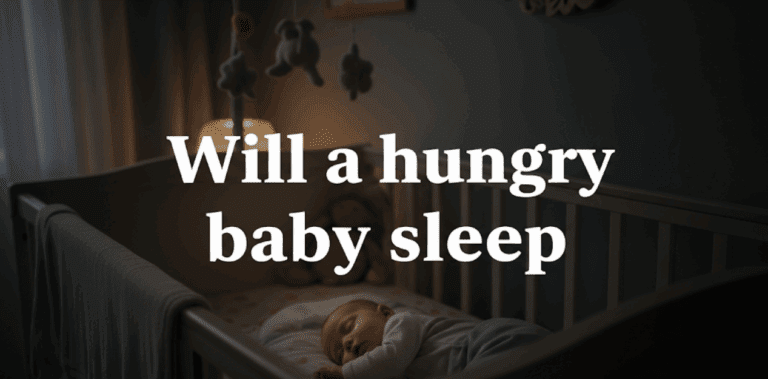
Picture this: you’re standing over your little one’s crib at 2 AM (again), watching them sleep peacefully, when suddenly you notice their tiny lips making these soft smacking sounds. As a new parent, every little noise can send your mind racing. Is this normal? Should you be worried? The good news is that lip smacking during sleep is incredibly common in babies and usually nothing to stress about.
If you’ve found yourself Googling “baby smacking lips while sleeping” at odd hours of the night, you’re definitely not alone. Let’s dive into this fascinating aspect of baby sleep behavior and put your worried parent mind at ease.
What Exactly Is Lip Smacking During Sleep?
Lip smacking in sleeping babies involves rhythmic movements of the lips, often accompanied by sucking motions or tongue movements. These baby noises can range from barely audible to quite noticeable, and they’re part of the wide range of sounds your little noisy sleeper might make during their rest periods.
Your baby’s sleep involves complex brain activity, even during deep sleep phases. The lip smacking you’re observing is often a result of these natural sleep processes and involuntary movements that occur as part of normal development.

Why Do Babies Smack Their Lips While Sleeping?
Natural Sucking Reflex
The primary reason behind this behavior lies in your baby’s powerful sucking reflex. This reflex is present from birth and serves crucial survival purposes. Even during sleep, this instinct remains active, causing your baby to make sucking and smacking motions with their lips.
This reflex is so strong that babies will often suck on anything that touches their lips – fingers, blankets, or even just the air. During the first few months of life, this reflex is particularly pronounced and can manifest as lip smacking during sleep.
Hunger Cues and Feeding Associations
Lip smacking can be one of the early hunger signs your baby displays. While they’re sleeping, their digestive system continues working, and their body may signal hunger through these subtle movements. This is especially common in newborns who need frequent feeding throughout the day and night.
Babies who are primarily breastfed might display more lip smacking behaviors as they associate the comfort and satisfaction of nursing with these mouth movements. The taste and smell of breast milk can trigger these responses even during sleep.
Dream-Related Activity
Yes, babies do dream! During their shorter sleep cycles, particularly during REM (Rapid Eye Movement) sleep, babies can experience dreams related to feeding and comfort. These dreams often manifest as lip smacking, sucking motions, and other oral behaviors.
The general nature of baby dreams typically revolves around familiar experiences like feeding, being held, and other comforting activities from their waking hours.
When Lip Smacking Might Signal Something More
Gastroesophageal Reflux Disease (GERD)
While most lip smacking is harmless, persistent smacking combined with other symptoms might indicate gastroesophageal reflux disease. GERD can cause discomfort that leads to increased swallowing and lip movements as babies try to alleviate the sensation.
Signs that might warrant medical attention include:
- Excessive crying or fussiness
- Arching of the back
- Refusing to eat or frequent spitting up
- Poor weight gain
- Coughing or breathing difficulties
Respiratory Issues
Sometimes, lip smacking can be related to breathing patterns. Babies have narrow airways and developing respiratory systems, which can sometimes cause them to breathe through their mouth during sleep. This mouth breathing can lead to dry lips and subsequent smacking sounds.
If you notice irregular breathing patterns alongside the lip smacking, it’s worth discussing with your health care provider.
Teething Discomfort
As your old baby (typically around 4-6 months) begins teething, increased saliva production and gum discomfort can lead to more frequent lip smacking and sucking behaviors, even during sleep.
Normal Baby Sleep Behaviors: What to Expect
Understanding normal baby sleep patterns can help you distinguish between typical behaviors and potential concerns. Here’s what’s completely normal:
Baby Sleep Sounds Are Common
Your little one might be quite the noisy sleeper, and that’s perfectly normal! Common baby sleep noises include:
- Grunting and groaning
- Whimpering or soft crying
- Lip smacking and sucking sounds
- Irregular breathing patterns
- Snoring (yes, babies can snore!)
Short Sleep Cycles
Babies have significantly shorter sleep cycles compared to adults – typically 50-60 minutes versus our 90-minute cycles. During these cycles, they transition between light and deep sleep phases, which can trigger various involuntary movements including lip smacking.
Movement During Sleep
Don’t be surprised if your baby moves quite a bit during sleep. Rolling, stretching, and making facial expressions (including lip movements) are all part of normal sleep behavior.
Age-Related Changes in Lip Smacking Behavior
Newborn to 3 Months
During the first half months of life, lip smacking is extremely common. Newborns spend a lot of time sleeping and their sucking reflex is at its strongest. You might notice this behavior most frequently during:
- Light sleep phases
- Before feeding times
- During dream periods
3 to 6 Months
As babies develop better sleep patterns and longer periods between feeds, lip smacking might become less frequent but can still occur regularly. This is when you might start noticing patterns related to hunger or comfort.
6 Months and Beyond
By six months, many babies have developed more mature sleep patterns. While lip smacking might continue, it often becomes less prominent as other developmental milestones take precedence.
Creating the Optimal Sleep Environment
Managing Sound and Light
Since babies are naturally noisy sleepers, creating a consistent sleep environment can help both you and your baby rest better:
- White noise machines can mask sudden sounds and create a consistent auditory environment
- Keep the room at a comfortable temperature
- Use blackout curtains to minimize light disruption
- Ensure good air circulation to keep nasal passages clear
Safe Sleep Practices
Always follow safe sleep guidelines:
- Place babies on their backs to sleep
- Use a firm sleep surface
- Keep the crib free of loose bedding, pillows, and toys
- Ensure the sleep area is smoke-free
When to Consult Your Health Care Provider
While lip smacking is usually nothing to worry about, certain situations warrant medical attention:
Red Flags to Watch For
- Persistent difficulty breathing or irregular breathing patterns
- Excessive crying that seems related to discomfort
- Poor feeding or refusal to eat
- Significant changes in sleep patterns
- Signs of illness like fever or lethargy
Regular Check-ups
During routine pediatric visits, don’t hesitate to mention any sleep behaviors you’ve observed. Your health care provider can offer personalized guidance based on your baby’s specific needs and development.
For new parents navigating the challenges of fatherhood, resources like preparing for fatherhood can provide valuable insights into what to expect during those early months.
Tips for New Parents: Managing Sleep Concerns
Keep a Sleep Log
Tracking your baby’s sleep patterns, including when you notice lip smacking, can help you identify patterns and provide useful information to your pediatrician if needed.
Trust Your Instincts
As a new parent, you’re learning to read your baby’s cues. While it’s natural to worry about every sound and movement, try to remember that most baby behaviors are completely normal parts of development.
Get Support
Don’t hesitate to reach out for support when you need it. Whether it’s from family, friends, or parenting resources, having a support network is crucial for new parents. Check out these tips for newborn baby boys for additional guidance.
Sometimes, dealing with sleep concerns can contribute to parental burnout, so taking care of yourself is just as important as caring for your baby.
The Science Behind Baby Sleep
Understanding Sleep Architecture
Baby sleep is fascinating from a scientific perspective. Unlike adults, babies spend much more time in REM sleep, which is when most dreams occur. This active sleep phase is crucial for brain development and can explain many of the movements and sounds you observe, including lip smacking.
Neurological Development
The various sounds and movements babies make during sleep, including lip smacking, are often signs of healthy neurological development. These behaviors indicate that your baby’s nervous system is functioning properly and developing as expected.
Managing Your Own Sleep as a Parent
Sleep When You Can
The old adage “sleep when the baby sleeps” exists for a reason. While your baby’s sleep patterns might seem unpredictable, try to rest when opportunities arise.
Create Realistic Expectations
Understanding that babies are naturally noisy sleepers can help you sleep better too. Not every sound requires immediate attention, and learning to distinguish between normal sleep sounds and genuine distress calls is part of the parenting journey.
Use Technology Wisely
Modern baby monitors can be helpful, but try not to become overly dependent on watching every movement. Sometimes, giving yourself permission to step away from constant monitoring can improve your own rest.
Feeding and Sleep Connections
Breast Milk Benefits
Breast milk contains natural sleep-promoting compounds that can help babies sleep better. The act of nursing also promotes bonding and comfort, which can contribute to more peaceful sleep periods.
Feeding Schedules
Establishing consistent feeding routines can help regulate your baby’s sleep patterns and potentially reduce hunger-related lip smacking during sleep.
Night Feeding Strategies
If lip smacking is accompanied by other hunger cues, having a plan for efficient night feedings can help minimize sleep disruption for the whole family.
Building Healthy Sleep Habits Early
Consistent Routines
Even young babies benefit from consistent bedtime routines. While it might take several months to see results, establishing patterns early can pay dividends later.
Environmental Consistency
Keeping sleep environments consistent helps babies feel secure and can reduce the likelihood of sleep disruptions that might trigger increased lip smacking or other behaviors.
Patience and Flexibility
Remember that baby sleep patterns change frequently as they grow and develop. What works one week might not work the next, and that’s completely normal.
Common Myths About Baby Sleep Behaviors
Myth 1: “Silent Babies Sleep Better”
Many parents assume that quieter babies are better sleepers, but this isn’t necessarily true. Babies are naturally noisy sleepers, and sounds like lip smacking are usually signs of normal sleep processes.
Myth 2: “You Should Wake a Baby Who’s Making Sounds”
Unless your baby is showing signs of distress or illness, there’s typically no need to wake them for making normal sleep sounds, including lip smacking.
Myth 3: “All Sleep Sounds Indicate Hunger”
While some lip smacking might be related to hunger, many sleep sounds are simply part of normal sleep behavior and don’t require any action on your part.
Long-term Perspectives on Sleep Development
What to Expect as Your Baby Grows
As babies mature, their sleep patterns become more predictable, and many of the sounds and movements you observe during early infancy will naturally decrease. Lip smacking typically becomes less frequent as babies develop more mature feeding and sleep patterns.
Celebrating Small Victories
Learning to interpret your baby’s sleep behaviors, including understanding when lip smacking is normal versus concerning, is a significant parenting milestone. Give yourself credit for learning these important skills.
For additional insights on child development and parenting, resources about raising respectful children can provide valuable guidance as your little one grows.
External Resources for New Parents
For comprehensive information about infant sleep and development, the American Academy of Pediatrics offers evidence-based guidance on various aspects of baby care, including sleep behaviors and when to seek medical attention.
The Centers for Disease Control and Prevention (CDC) also provides valuable resources about infant development milestones and safe sleep practices that every new parent should know.
Final Thoughts: Embracing the Journey
Watching your baby sleep and noticing behaviors like lip smacking is all part of the incredible journey of parenthood. While it’s natural to worry about every sound and movement, remember that most baby sleep behaviors are completely normal and indicate healthy development.
The months of life with a new baby are filled with learning experiences for both you and your little one. Trust your instincts, don’t hesitate to ask questions when you have concerns, and remember that seeking information (like reading this comprehensive guide) shows what a caring, attentive parent you are.
As you navigate these early days of parenthood, remember that every baby is unique. What’s normal for one baby might be different for another, and that’s perfectly okay. The key is understanding general patterns while staying attuned to your own baby’s individual needs and behaviors.
Sweet dreams to both you and your little noisy sleeper – those precious lip-smacking sounds are just another reminder of the miracle of development happening right before your eyes.