Hey there, fellow dads! Remember when your biggest food decision was whether to have pizza or burgers for dinner? Well, those days are long gone. Now we’re standing in the dairy aisle, scratching our heads and wondering which cheese won’t turn our little ones into tiny cheese-throwing monsters. Trust me, I’ve been there – and I’ve got your back.
As a dad who’s navigated the wild world of introducing new foods to my kids, I can tell you that cheese is one of those game-changing solid foods that can make or break mealtime. The good news? Most toddlers absolutely love cheese. The tricky part? Figuring out which types are safe, nutritious, and won’t have you cleaning cheese bits off every surface in your kitchen.
Let’s dive into the wonderful, sometimes messy world of cheese for our little cheese enthusiasts!

Why Cheese Makes the Perfect Toddler Food
Before we get into the nitty-gritty of which cheeses to choose, let’s talk about why cheese deserves a spot on your toddler’s plate. This isn’t just about keeping the peace at dinner time (though that’s a nice bonus).
Cheese packs a serious nutritional punch that growing toddlers need. We’re talking about high-quality protein for building those tiny muscles, calcium for strong bones and teeth, and healthy fats that support brain development. Plus, cheese contains essential vitamins like B12, which helps with energy production and nervous system development.
For busy dads like us, cheese is also incredibly convenient. It’s portable, doesn’t need cooking, and most kids will actually eat it without a fight. That’s what I call a parenting win!
The Golden Rules of Cheese Safety for Toddlers
Now, before you start loading up your cart with every cheese in sight, there are some important safety guidelines we need to cover. Think of these as your cheese commandments:
Age Matters Big Time
Most pediatricians recommend waiting until your little one is at least 12 months of age before introducing cow’s milk dairy products. This gives their digestive system time to mature and reduces the risk of developing allergies.
Size and Texture Guidelines
Here’s where dad instincts really come in handy. Always cut cheese into small pieces – we’re talking about pieces smaller than your toddler’s thumbnail. This prevents choking hazards and makes it easier for little hands to manage.
Avoid thick melted cheese that can stick to the roof of their mouth. I learned this the hard way when my son got a big glob of melted mozzarella stuck and started panicking. Not fun for anyone involved.
The Pasteurization Rule
This one’s non-negotiable, dads. Always choose pasteurized cheeses over unpasteurized cheeses. Pasteurization kills harmful bacteria that can cause serious illness in young children. Most cheeses you’ll find in regular grocery stores are pasteurized, but always check the label to be sure.
Top Cheese Champions for Your Little One
Let’s get to the good stuff – the best cheese options that’ll have your toddler asking for more (and give you some peace of mind). Always keep small portions in mind.
Mild Cheddar Cheese: The Reliable Starter
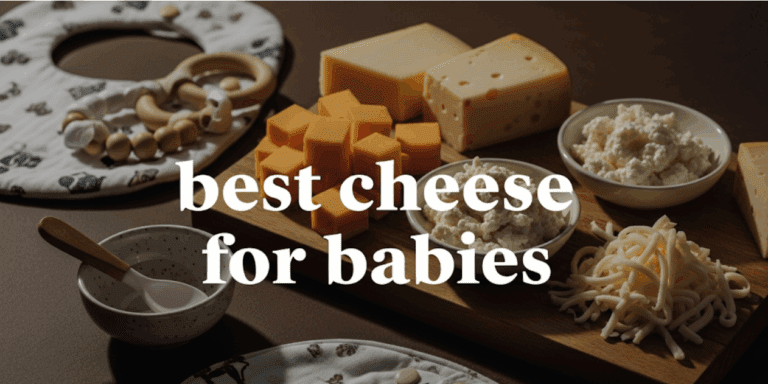
Mild cheddar cheese is like the training wheels of the cheese world. It’s got a gentle flavor that most kids love, and it’s packed with protein and calcium. The texture is firm enough for little fingers to grab but soft enough to chew safely.
I always keep a block of mild cheddar in the fridge for quick snacks. Cut it into small cubes, and you’ve got instant finger foods that work great for lunch boxes too.
String Cheese: The Fun Factor Winner
Let’s be honest – string cheese is basically designed for toddlers. These individually wrapped cheese strings are portion-controlled, fun to eat, and perfect for small hands. Most string cheese is made from mozzarella, which is mild and creamy.
Just remember to supervise the “stringing” process. Some kids get so excited about pulling the cheese apart that they end up with pieces that are too big to safely swallow.
Cottage Cheese: The Protein Powerhouse
Don’t let the lumpy appearance fool you – cottage cheese is a nutritional superstar. It’s loaded with protein and has a mild, slightly tangy taste that many toddlers enjoy. The soft texture makes it perfect for young children who are still developing their chewing skills.
Try mixing cottage cheese with small pieces of fruit for a healthy snack, or use it as a dip for soft crackers. Some kids prefer the small curd variety over large curd – it’s worth trying both to see what your little one prefers.
Cream Cheese: The Smooth Operator
Cream cheese is incredibly versatile and has a mild, creamy flavor that appeals to most young children. It’s perfect for spreading on soft bread or crackers, and you can mix it with pureed fruits for a healthy treat.
Just remember that cream cheese is higher in fat and lower in protein compared to other cheese options, so it’s best used in moderation as part of a balanced diet.
Swiss Cheese: The Mild Surprise
Swiss cheese might seem like an advanced choice, but its mild, slightly nutty flavor often surprises parents with how much kids love it. It’s also naturally lower in sodium than many other cheese types, which is better for developing kidneys.
The holes in Swiss cheese can actually be entertaining for toddlers – just make sure to cut it into appropriate sizes to avoid any choking hazards.

Cheeses to Approach with Caution (Or Skip Entirely)
Not all cheeses are created equal when it comes to our little ones. Here are some varieties to be careful with or avoid altogether:
Sharp Cheddar and Aged Cheeses
While sharp cheddar might be your go-to for adult mac and cheese, it’s often too intense for young taste buds. The sharp, tangy flavor can be overwhelming for toddlers who are still developing their palate.
Blue Cheese and Strong Flavored Varieties
These are definitely adult cheeses. The strong, pungent flavors and potential mold content make them unsuitable for young children. Save these for your own cheese and wine nights (you know, when you actually get time for those).
Unpasteurized Soft Cheeses
Soft cheeses like brie, camembert, and fresh mozzarella are often unpasteurized, which poses health risks for young children. If you want to introduce these flavors, make sure to find pasteurized versions.
High-Sodium Processed Cheeses
Many processed cheese products are loaded with sodium, which isn’t great for developing kidneys. Check labels and opt for natural cheese varieties when possible.
Navigating Lactose Intolerance and Food Allergies
Here’s something that keeps many of us dads up at night – what if our little one can’t handle dairy? First, take a deep breath. You’ve got this.
Signs of Lactose Intolerance
Lactose intolerance in toddlers can show up as stomach pain, bloating, gas, or diarrhea after eating dairy products. The good news is that many cheeses are naturally lower in lactose than milk, especially aged hard cheeses like cheddar and Swiss.
Dealing with Dairy Allergies or other allergenic foods
A true cow’s milk allergy is more serious and can cause symptoms like hives, vomiting, or difficulty breathing. If you suspect a food allergy, contact your pediatrician immediately. They might recommend allergy testing or an elimination diet.
Alternatives for Dairy-Free Families
If dairy is off the table, don’t worry – there are plenty of plant-based cheese alternatives made from nuts, soy, or other ingredients. Just make sure they’re fortified with calcium and other nutrients that growing bodies need.
Creative Ways to Serve Cheese to Picky Eaters
Let’s face it – some toddlers go through phases where they reject foods they loved yesterday. Here are some dad-tested tricks to keep cheese on the menu:
The Hidden Cheese Method
Grate mild cheese into scrambled eggs, mix cottage cheese into mashed potatoes, or melt a little cheese into pasta sauce. Sometimes kids will eat cheese when it’s part of something else, even if they reject it on its own.
Make It Fun and Interactive
Cut cheese into fun shapes using cookie cutters, create cheese kabobs with soft fruits, or let them help arrange cheese cubes on a plate. Getting kids involved in food preparation often increases their willingness to try new things.
The Gradual Introduction Approach
If your toddler is hesitant about trying new cheese varieties, start by mixing small amounts of the new cheese with a familiar favorite. Gradually increase the ratio over time until they’re comfortable with the new flavor.
Portion Sizes: How Much Cheese Is Just Right?
As dads, we’re pretty good at eyeballing portions for ourselves, but toddler serving sizes are a whole different ballgame. Here’s what nutritionists recommend:
For toddlers aged 12-24 months, aim for about 1-2 ounces of cheese per day. That’s roughly equivalent to:
- 1-2 string cheese sticks
- 1/4 to 1/2 cup of cottage cheese
- 1-2 small cubes of hard cheese
For older children (2-3 years), you can increase this to 2-3 ounces per day as part of their overall dairy intake.
Remember, cheese should complement other foods in your toddler’s diet, not replace them. Variety is key to ensuring they get all the nutrients they need.
Shopping Smart: What to Look for in the Store
When you’re standing in that overwhelming dairy aisle, here’s your game plan:
Read the Labels
Look for words like “pasteurized,” “whole milk,” and minimal ingredients. Avoid cheeses with lots of additives, artificial colors, or excessive sodium.
Choose Full-Fat Options
Young children need healthy fats for brain development, so don’t go for reduced-fat cheese varieties. Full-fat cheese provides the nutrients growing bodies need.
Organic Considerations
While organic milk products can be a good choice, don’t stress if they’re not in your budget. The most important thing is choosing pasteurized, age-appropriate cheeses that your child will actually eat.
Storage and Freshness
Check expiration dates and store cheese properly at home. Hard cheeses can last longer than soft varieties, making them great for meal planning.
Age-Appropriate Cheese Progressions
Just like we wouldn’t give a toddler a steak knife, cheese choices should evolve with your child’s development:
12-18 Months: The Gentle Introduction
Start with very mild, soft cheeses cut into small pieces. Think tiny cubes of mild cheddar, small spoonfuls of cottage cheese, or thin slices of mild mozzarella.
18-24 Months: Expanding Horizons
As their palate develops, you can introduce slightly more flavorful options like Swiss cheese or mild provolone. They can also handle slightly larger pieces as their chewing skills improve.
2+ Years: The Adventure Phase
Older toddlers can try a wider variety of textures and flavors. This is when you might introduce harder cheeses like parmesan cheese (in small amounts) or experiment with different cheese combinations.
The Nutritional Breakdown: Why This Matters
Understanding what makes cheese nutritious helps us make better choices for our kids. Here’s what we’re really talking about:
Protein Power
Cheese provides complete proteins with all essential amino acids needed for growth and development. A single serving can provide 10-20% of a toddler’s daily protein needs.
Calcium for Strong Bones
This is the big one, dads. Cheese is one of the best sources of bioavailable calcium, which is crucial during these rapid growth years. Strong bones and teeth start with good nutrition now.
Healthy Fats for Brain Development
The fat content in whole milk cheese isn’t something to fear – it’s brain fuel for developing minds. These fats support cognitive development and help with the absorption of fat-soluble vitamins.
B Vitamins and More
Cheese contains important B vitamins, particularly B12, which supports energy metabolism and nervous system function. Many cheeses also contain vitamin A for healthy vision and immune function.
Understanding the challenges of modern parenting becomes easier when we focus on nutrition fundamentals like choosing the right dairy products for our children.
Common Cheese Mistakes (And How to Avoid Them)
We’ve all been there – here are some cheese-related parenting moments I’d rather forget, and how you can avoid them:
The Choking Hazard Mistake
Never give whole grapes… wait, wrong food safety talk. With cheese, the biggest mistake is giving pieces that are too large or too thick. Always cut cheese into small, manageable pieces.
The Texture Trap
Some cheeses that seem kid-friendly can actually be difficult for toddlers to handle. Very sticky or gooey melted cheese can be problematic, so always test the texture yourself first.
The Flavor Shock
Jumping from mild cheese straight to sharp or aged varieties can create negative associations with cheese in general. Gradual progression is key.
The Storage Slip-Up
Leaving cheese out too long or storing it improperly can lead to spoilage or texture changes that make it less appealing (and potentially unsafe) for little ones.
Building Healthy Eating Habits Early
Introducing cheese properly sets the foundation for healthy eating habits that last a lifetime. When we make nutritious food like cheese enjoyable and stress-free, we’re teaching our kids that healthy eating can be pleasurable, not a chore.
This extends beyond just cheese – the patience and creativity we use in introducing new foods shapes how our children approach eating in general. Tips on raising happy and healthy children often emphasize the importance of positive food experiences during these formative years.
International Cheese Adventures
Once your toddler is comfortable with basic cheese varieties, you might want to explore international options that are still toddler-appropriate:
French Connection
Mild French cheeses like baby Swiss or young goat cheese (when pasteurized) can introduce new flavors gradually.
Italian Inspiration
Fresh mozzarella (pasteurized) or mild ricotta can be great additions to a toddler’s cheese repertoire.
American Classics
Don’t overlook American cheese varieties – many are specifically designed to be mild and appealing to children.
Cheese and Meal Planning Made Easy
Incorporating cheese into your toddler’s meal routine doesn’t have to be complicated. Here are some simple strategies:
Breakfast Boost
Add small cheese cubes to scrambled eggs, spread cream cheese on toast, or offer cottage cheese with fruit as a protein-rich morning option.
Lunch Solutions
Cheese cubes make great additions to lunch boxes, while melted cheese can transform simple vegetables into appealing sides.
Dinner Integration
Mild cheeses can enhance pasta dishes, be melted over steamed vegetables, or added to simple quesadillas made with whole grain tortillas.
Snack Attack
Keep age-appropriate cheese portions ready for those inevitable “I’m hungry” moments that happen every 30 minutes with toddlers.
When to Consult Your Pediatrician
While cheese is generally safe and beneficial for most toddlers, there are times when professional guidance is important:
- If you notice signs of digestive upset after introducing cheese
- If your family has a history of dairy allergies
- If your child shows signs of an allergic reaction
- If you’re unsure about introducing dairy due to other health conditions
Your pediatrician can provide personalized advice based on your child’s individual needs and development.
External Resources for Cheese Safety
For additional information about dairy safety and nutrition for children, the American Academy of Pediatrics provides comprehensive guidelines about introducing dairy products to young children.
The USDA’s nutrition guidelines also offer valuable insights into appropriate portion sizes and nutritional requirements for toddlers.
The Bottom Line: Keep It Simple and Safe
Here’s the dad-to-dad truth: introducing cheese to your toddler doesn’t have to be stressful or complicated. Start with mild, pasteurized varieties cut into small pieces. Pay attention to your child’s reactions, both in terms of taste preferences and any signs of digestive issues.
Remember that every child is different. What works for your neighbor’s kid might not work for yours, and that’s perfectly normal. The key is patience, consistency, and keeping mealtimes positive.
Most importantly, don’t let perfect be the enemy of good. If your toddler will only eat one type of cheese for months, that’s okay. They’re still getting valuable nutrition, and their preferences will likely expand over time.
Final Thoughts: Embracing the Cheese Journey
As we wrap up this cheese adventure, remember that introducing new foods to toddlers is a marathon, not a sprint. Some days your little one will demolish a plate of cheese cubes, other days they’ll act like you’re trying to poison them with the exact same cheese they loved yesterday. It’s all part of the parenting journey.
The most important thing is creating positive associations with healthy foods like cheese. When we approach feeding our children with patience, creativity, and a sense of humor, we’re setting them up for a lifetime of healthy eating habits.
Keep experimenting, stay patient, and remember – you’ve got this, dad. Every small step toward healthy eating is a victory worth celebrating.
And who knows? Maybe someday your grown-up child will thank you for introducing them to the wonderful world of cheese. Or maybe they’ll just roll their eyes at your “dad jokes” about being “grate-ful” for good nutrition. Either way, you’ll know you gave them a strong foundation for healthy eating that will serve them well throughout their lives.
The journey of parenthood is full of challenges, but choosing the right foods for our children doesn’t have to be one of them. With the right knowledge and a bit of patience, even picky eaters can learn to enjoy nutritious options like cheese.
Now get out there and conquer that dairy aisle – your little cheese lover is counting on you!