
summer vacation ideas with kids!
The final school bell rings, the backpacks are thrown into the closet, and for about forty-eight hours, summer feels like pure magic. Then, reality sets in. The inevitable phrase echoes through the house: “I’m booored.”
As parents, balancing your own schedule—whether working from home, managing a household, or just trying to keep your sanity—while keeping children engaged for nearly three months is a monumental task. The temptation to hand over a tablet and let screen time take the reins is completely understandable.
But with a little strategy, a dash of routine, and a healthy dose of creativity, you can transform these long days into an enriching, memorable, and—most importantly—stress-free summer.
Here is your ultimate blueprint for keeping kids of all ages active, learning, and entertained until autumn arrives.
1. The Secret Weapon: The “Loose” Summer Routine
Kids actually crave structure. When they are at school, their days are segmented into predictable blocks. Removing that structure entirely is a recipe for behavioral meltdowns and decision fatigue.
However, summer shouldn’t feel like a rigid military camp. The key is creating a block schedule rather than a strict time-based schedule.
Sample Summer Block Schedule
Instead of scheduling “10:00 AM: Reading, 11:00 AM: Crafting,” think in fluid chunks:
- Morning Block (Energy Burn): Outdoor time, park visits, bike rides, or swim lessons while the weather is still cool.
- Mid-day Block (Quiet/Focus): Lunch, reading, puzzles, educational apps, or independent play while the sun is at its peak.
- Afternoon Block (Creativity & Connection): Arts and crafts, baking, sensory bins, or organized playdates.
- Late Afternoon Block (Chill Time): Screen time, audiobooks, or independent downtime while dinner is being prepared.
By maintaining a predictable rhythm, children know what to expect next, which drastically reduces the constant nagging for attention or devices.

2. Low-Cost, High-Engagement Backyard Activities
You don’t need an expensive theme park pass to entertain your kids. Your backyard (or local park) is a blank canvas for high-energy fun.
The Ultimate DIY Water Park
When the summer heat peaks, water is your best friend. Skip the pricey water parks and set up these budget-friendly alternatives:
- Ice Block Treasure Hunt: Freeze small plastic toys (dinosaurs, rings, coins) inside a large Tupperware container filled with water. Give your kids spray bottles, salt shakers, and plastic screwdrivers to “excavate” the toys. This can keep toddlers and elementary schoolers busy for hours.
- Sponge Water Bombs: Cut colorful kitchen sponges into strips and tie them together in the center with a rubber band to form a fluffy ball. Dunk them in buckets of water for a painless, reusable alternative to water balloons.
- The Tarp Slip-and-Slide: Lay a long heavy-duty plastic tarp on an incline, secure it with lawn stakes (ensuring the tops are safely covered), add a little dish soap, and turn on the sprinkler.
Outdoor Creativity
- Shaving Cream Twister: Spray different colored shaving cream onto the circles of a classic Twister mat. It adds a hilarious, messy twist to a classic game and washes off easily with a hose.
- Nature Scavenger Hunts: Write a quick checklist on a paper bag: a jagged rock, something fuzzy, a brown leaf, a piece of clover, a seed pod. Send them out to collect the items.
More Summer Vacation Ideas With kids
3. Rainy Day & Scorching Heat Indoor Strategies
When the weather turns sour—either due to a summer thunderstorm or a dangerous heatwave—you need an indoor contingency plan that goes beyond streaming services.
Cabin Fever Erasers
- The Living Room Laser Maze: Take a roll of red yarn or painters tape and tape lines across a hallway at various heights and angles. Challenge your kids to make it from one end of the hall to the other without touching the “lasers.”
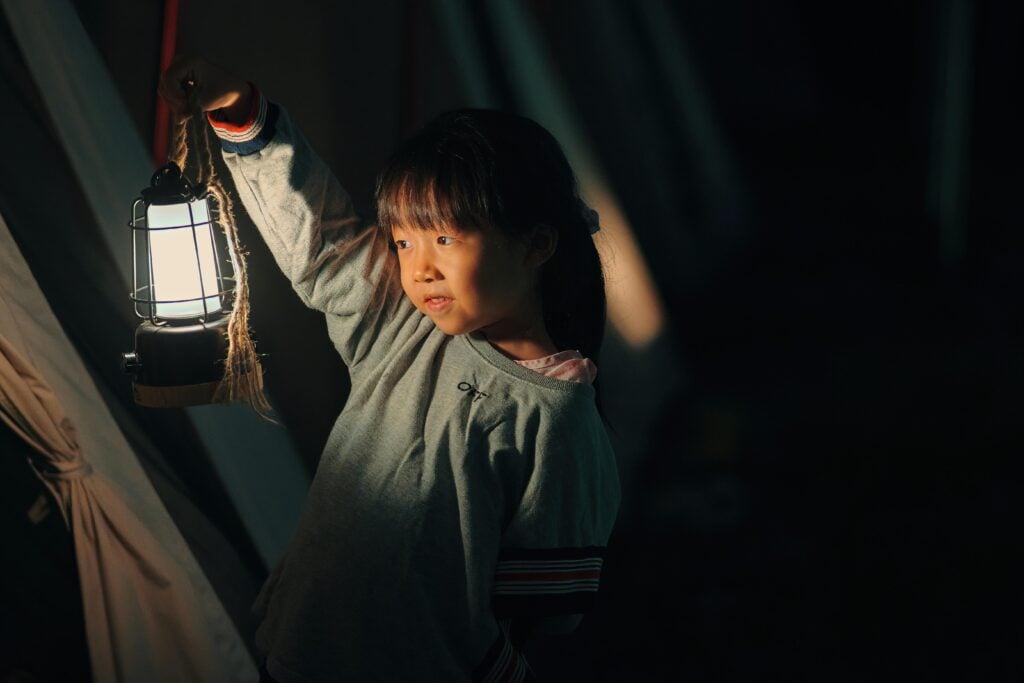
- Indoor Camping: Pitch a small pop-up tent or build an epic blanket fort in the living room. Pack a lunch box with “camping snacks,” turn off the lights, and give them flashlights to read or tell stories.
- Cardboard Box Engineering: Save your delivery boxes. Give kids duct tape, markers, and child-safe cardboard cutters (like specialized plastic safety saws). Let them transform boxes into castles, spaceships, or a drive-in movie car.
Sensory Play for Younger Kids
For toddlers and preschoolers, sensory engagement is unmatched for longevity of play.
- Oobleck Station: Mix two cups of cornstarch with one cup of water (and a few drops of food coloring). This fascinating non-Newtonian fluid behaves like a liquid when poured but turns solid when squeezed.
- Toy Car Wash: Fill a plastic bin with soapy water and another with clean water. Give them old toothbrushes and let them scrub down all their plastic toys and cars.
4. Keeping the Brain Active: Preventing the “Summer Slide”
“Summer slide” refers to the learning loss that happens when children completely check out academically for three months. You can easily disguise learning as fun without making it feel like summer school.
Gamified Learning
- Kitchen Chemistry: Baking is pure math and chemistry. Have your kids help double a recipe to practice fractions, or make homemade ice cream in a bag to learn about freezing points and chemical reactions.
- The Library Challenge: Most local libraries run incredible, free summer reading programs with prizes, certificates, and live performer events. Make a weekly library trip a non-negotiable family ritual.
- Journaling/Comic Book Making: Buy a cheap blank notebook for each child. Encourage them to write a “daily summary” or draw a comic strip depicting their favorite part of the day. It keeps their writing and fine motor skills sharp.
Cont.. Summer Vacation Ideas With Kids
5. Fostering Independence (So You Can Get Work Done)
If you are a work-from-home parent, you cannot act as a cruise director 24/7. Teaching your kids to play independently is a vital life skill.
The “I’m Bored” Jar
Sit down with your kids at the start of the summer and brainstorm fifty simple activities they enjoy (e.g., build a Lego tower, draw a picture of an alien, practice a dance routine, read two chapters). Write them on slips of paper and put them in a jar. When they complain of boredom, they must pull a slip from the jar and do that activity for at least 20 minutes before asking for anything else.
Toy Rotation
Kids get overwhelmed when all their toys are visible at once, leading them to play with nothing. Divide their toys into three big plastic bins. Keep one bin in their room and hide the other two in a closet. Swap the bins every Sunday night. On Monday morning, old toys suddenly feel brand new again.

6. Tween and Teen Specific Ideas
Older kids present a unique challenge. They are too old for sensory bins but too young to drive themselves to the mall. They need autonomy, purpose, and a bit of social connection.
- The Passion Project: Challenge them to learn a complex new skill over the summer using online tutorials. Examples include video editing, coding a basic mobile app, learning chords on a guitar, or mastering digital illustration.
- The Entrepreneurial Spark: Help them set up a small summer business. Dog walking, car washing, neighborhood lawn mowing, or running a specialized backyard sports camp for younger neighborhood kids teaches financial literacy and responsibility.
- Volunteering: Many community centers, animal shelters, and food banks accept teenage volunteers. It builds empathy, fills up their resume, and keeps them constructive.
summer vacation ideas with kids Q&A
Q: How much screen time is acceptable during the summer?
A: There is no magic number, but focus on quality over quantity and implement a “work before play” rule. Ensure kids complete their daily responsibilities (brushing teeth, reading for 30 minutes, doing a quick chore, playing outside) before screens turn on. Consider separating screen time into “active creation” (coding, digital art, learning a language) and “passive consumption” (scrolling social media or streaming shows).
Q: How do I handle constant requests for snacks all day long?
A: Establish a “Snack Basket” system. Every morning, pack a designated basket or fridge shelf for each child with their snacks for the day (e.g., a juice box, an apple, cheese sticks, crackers). They can eat those snacks whenever they want, but once the basket is empty, the kitchen is closed until the next formal meal. This stops the constant grazers and teaches self-regulation.
Q: What are the best free summer activities near me?
A: Look into your local community resources. Check the calendars for public libraries, parks and recreation departments, and local museums (which often have designated free-admission days). Many hardware stores (like Home Depot) and craft stores (like Michaels) offer completely free weekend morning workshops for kids.
Q: My kids are constantly fighting. How do I keep the peace?
A: Proximity breeds friction. If your kids are together 24/7, clashes are inevitable. Intentionally build “separate play blocks” into your day. For one hour in the afternoon, one child plays in the living room while the other plays in their bedroom. Giving them physical space to miss each other works wonders for reducing sibling rivalry.
Q: How can I make summer special if I have a very limited budget?
A: Kids do not remember how much money you spent; they remember how you made them feel. Simple traditions—like “Flashlight Friday” inside a living room fort, having breakfast for dinner on the back porch, or walking to get a cheap popsicle every Tuesday—build lifelong memories without breaking the bank. Focus on consistency and presence rather than expensive outings.
I hope these summer vacation ideas with kids helped you out!