Understanding the total financial commitment
Before becoming parents, many people hear the classic joke:
“Kids are expensive.”
Then reality arrives.
Suddenly there are diapers, daycare fees, school supplies, doctor visits, endless grocery bills, sports equipment, birthday parties, clothing that somehow becomes too small every six months, and eventually university tuition staring you directly in the face.
Raising a son — or any child — is one of the most rewarding experiences in life, but it also comes with a very real financial commitment. And for many parents, especially first-time dads and moms, the true cost can feel shocking.
The good news is that raising a happy and healthy child does not require being rich. But understanding where the money goes can help families plan better, reduce stress, and avoid financial surprises later on.
The Cost Starts Earlier Than Most People Expect
Many parenting expenses begin before the baby is even born.
Pregnancy and newborn costs may include:
- Hospital bills
- Prenatal care
- Baby gear
- Cribs and strollers
- Car seats
- Bottles and feeding supplies
- Baby monitors
- Diapers and wipes
New parents are often overwhelmed by how many “must-have” baby products exist. The truth is that babies need far less than marketing companies suggest.
Still, even basic newborn expenses can add up quickly.

Childcare Is Often the Biggest Expense
For many working families, childcare becomes one of the largest financial burdens.
Depending on location, daycare costs can rival mortgage payments.
Parents may spend money on:
- Daycare centers
- Babysitters
- After-school programs
- Summer camps
- Private childcare
In some households, one parent even temporarily leaves the workforce because childcare costs become too high.
This is one reason many families feel financial pressure during the early childhood years.

Food Costs Increase Constantly
At first, babies barely eat anything.
Then suddenly you’re grocery shopping for what feels like a small army.
As boys grow older, food costs often rise dramatically — especially during the teenage years. Parents quickly discover that growing kids can empty refrigerators at unbelievable speed.
Common ongoing food expenses include:
- Groceries
- School lunches
- Snacks
- Restaurants
- Sports drinks
- Packed lunches
- Special diets or allergies
Food may seem like a smaller expense at first, but over 18 years, it becomes a major part of the parenting budget.
Clothing Never Stops
One frustrating reality of parenting is that children constantly outgrow clothes.
You buy shoes… and six months later they no longer fit.
Boys are often hard on clothing too:
- Torn pants
- Damaged shoes
- Lost jackets
- Sports uniforms
- Seasonal clothing
The good news is that parents can save a lot by:
- Buying secondhand
- Accepting hand-me-downs
- Shopping sales
- Avoiding expensive brands for young kids
Children care far less about designer labels than adults sometimes think.

Education Costs Can Be Massive
Education expenses vary greatly depending on where you live and what choices your family makes.
Possible costs include:
- School supplies
- Tutoring
- Private school tuition
- Technology
- Extracurricular activities
- Field trips
- University savings
In places like Korea, Canada, and the United States, many families also spend heavily on:
- Academies or tutoring centers
- Test preparation
- Language programs
- Sports training
- Music lessons
Even public education often includes many hidden costs that add up over time.
Sports and Hobbies Add Up Quickly
Many boys eventually become involved in hobbies, clubs, or sports.
These activities are wonderful for confidence, friendships, and physical health — but they are rarely cheap.
Parents may spend money on:
- Registration fees
- Equipment
- Uniforms
- Tournament travel
- Lessons
- Camps
Some sports are especially expensive, including hockey, baseball, golf, and competitive soccer.
Of course, not every child needs elite-level activities. Many families successfully keep costs manageable by focusing on local recreational programs instead of highly competitive leagues.

Healthcare Costs Continue Throughout Childhood
Healthcare expenses can include:
- Insurance
- Dental care
- Vision care
- Medications
- Emergency visits
- Braces
- Therapy
- Regular checkups
Even in countries with public healthcare systems, parents often encounter additional out-of-pocket expenses.
Unexpected medical costs are one reason many financial experts recommend maintaining emergency savings for families with children.
Teenagers Become Surprisingly Expensive
Many parents assume baby years are the most expensive.
Then the teenage years arrive.
Teen expenses often include:
- Phones
- Electronics
- Transportation
- Branded clothing
- School trips
- Dating
- Driver’s education
- Increased food costs
Teenagers also tend to develop stronger opinions about hobbies, fashion, and entertainment, which can increase spending pressure for parents.
University and Adult Support
For many families, financial support continues well beyond age 18.
Parents may help pay for:
- College tuition
- Rent
- Transportation
- Living expenses
- Career support
In today’s economy, many young adults remain financially connected to their parents longer than previous generations did.
This doesn’t mean parents must fully fund everything, but many families continue providing support into early adulthood.
The Emotional Pressure Around Money
One hidden challenge of parenting is the emotional pressure parents feel to “give their child everything.”
Social media often creates unrealistic expectations:
- Expensive vacations
- Fancy birthday parties
- Endless extracurriculars
- Designer clothing
- Luxury baby products
But children do not need constant spending to feel loved.
Some of the strongest childhood memories come from simple things:
- Family dinners
- Weekend outings
- Playing outside
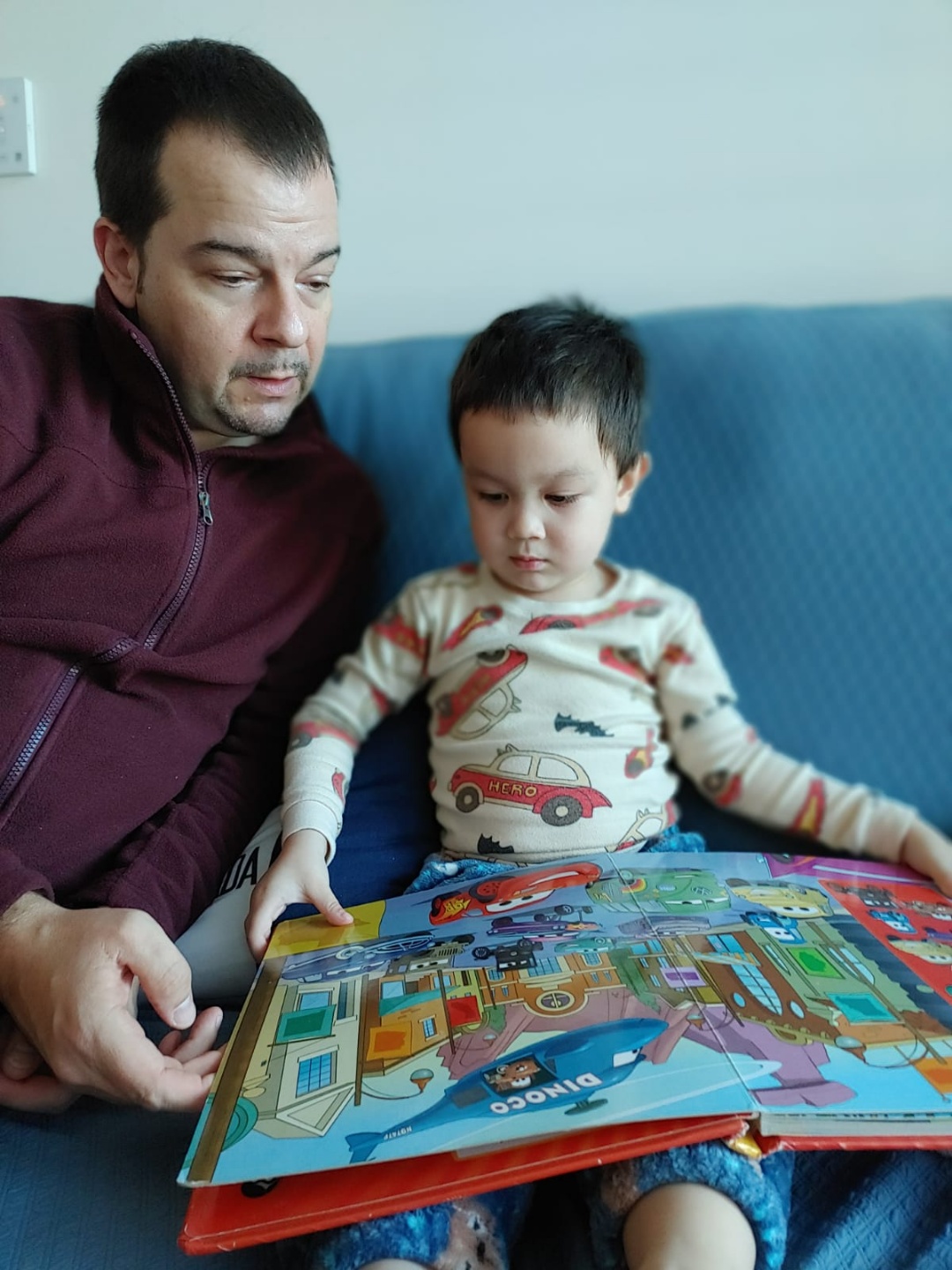
- Reading together
- Movie nights at home
A stable, loving environment matters far more than excessive spending.
So… How Much Does It Actually Cost?
The real answer depends heavily on:
- Country
- Lifestyle
- Education choices
- Childcare needs
- Housing costs
- Family priorities
For many families, raising a child into adulthood can easily cost hundreds of thousands of dollars over 18+ years.
But it’s important to remember something:
Parenting is not a financial competition.
Some families spend enormous amounts. Others raise wonderful, happy children on modest budgets.
What matters most is creating a safe, supportive, and loving environment.
Final Thoughts
Raising a son is expensive — there’s no way around it.
But the biggest financial mistake parents make is believing they must provide a “perfect” childhood filled with nonstop spending.
Children need love, stability, encouragement, and connection far more than expensive toys or luxury experiences.
Yes, parenting requires financial planning and sacrifice. There will be stressful moments and unexpected costs along the way.
But for most parents, the memories, laughter, growth, and bond built with their child become worth far more than the money ever spent.